Math can be a daunting subject for many students, but with the right tools and strategies, it can become more manageable. One essential concept in math is the order of operations, which dictates the sequence in which mathematical operations should be performed. The order of operations is commonly remembered using the acronym PEMDAS, which stands for Parentheses, Exponents, Multiplication and Division, and Addition and Subtraction. However, some educators and students prefer to use the acronym GEMDAS, which stands for Grouping, Exponents, Multiplication and Division, and Addition and Subtraction.
Regardless of the acronym used, the order of operations remains the same. The key is to follow the sequence of operations in the correct order to avoid confusion and errors. For instance, when solving an equation that involves multiple operations, it’s crucial to start with the operations inside the parentheses or grouping symbols, then move on to exponents, followed by multiplication and division, and finally addition and subtraction. By following this sequence, students can ensure that their calculations are accurate and reliable.
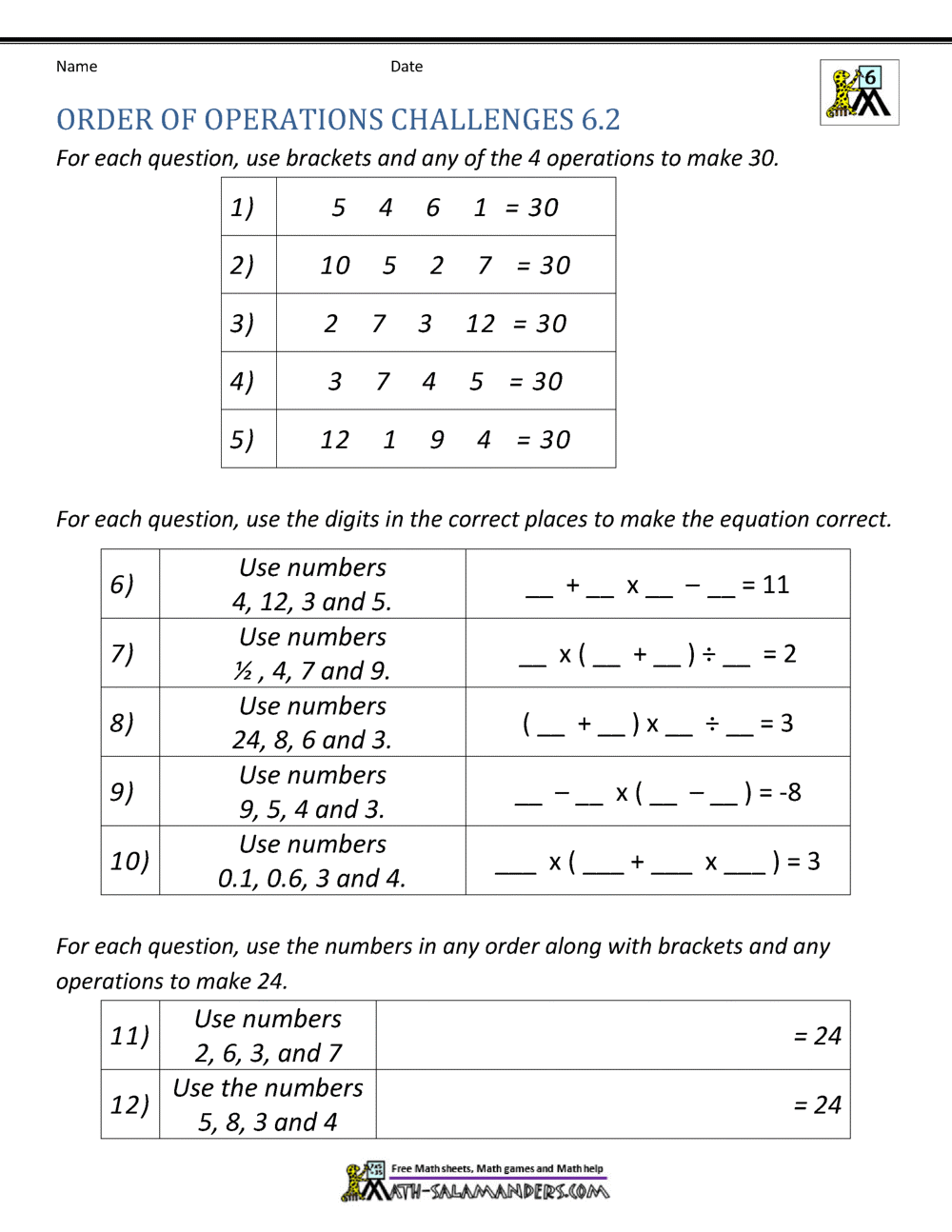
6th Grade Order Of Operations Worksheets
Understanding PEMDAS
To understand PEMDAS, it’s essential to break down each component of the acronym. Parentheses refer to the operations enclosed within brackets or parentheses, which should be evaluated first. Exponents, on the other hand, refer to the operations that involve raising a number to a power. Multiplication and division are performed from left to right, followed by addition and subtraction, which are also performed from left to right. By grasping the concept of PEMDAS, students can develop a strong foundation in math and improve their problem-solving skills.
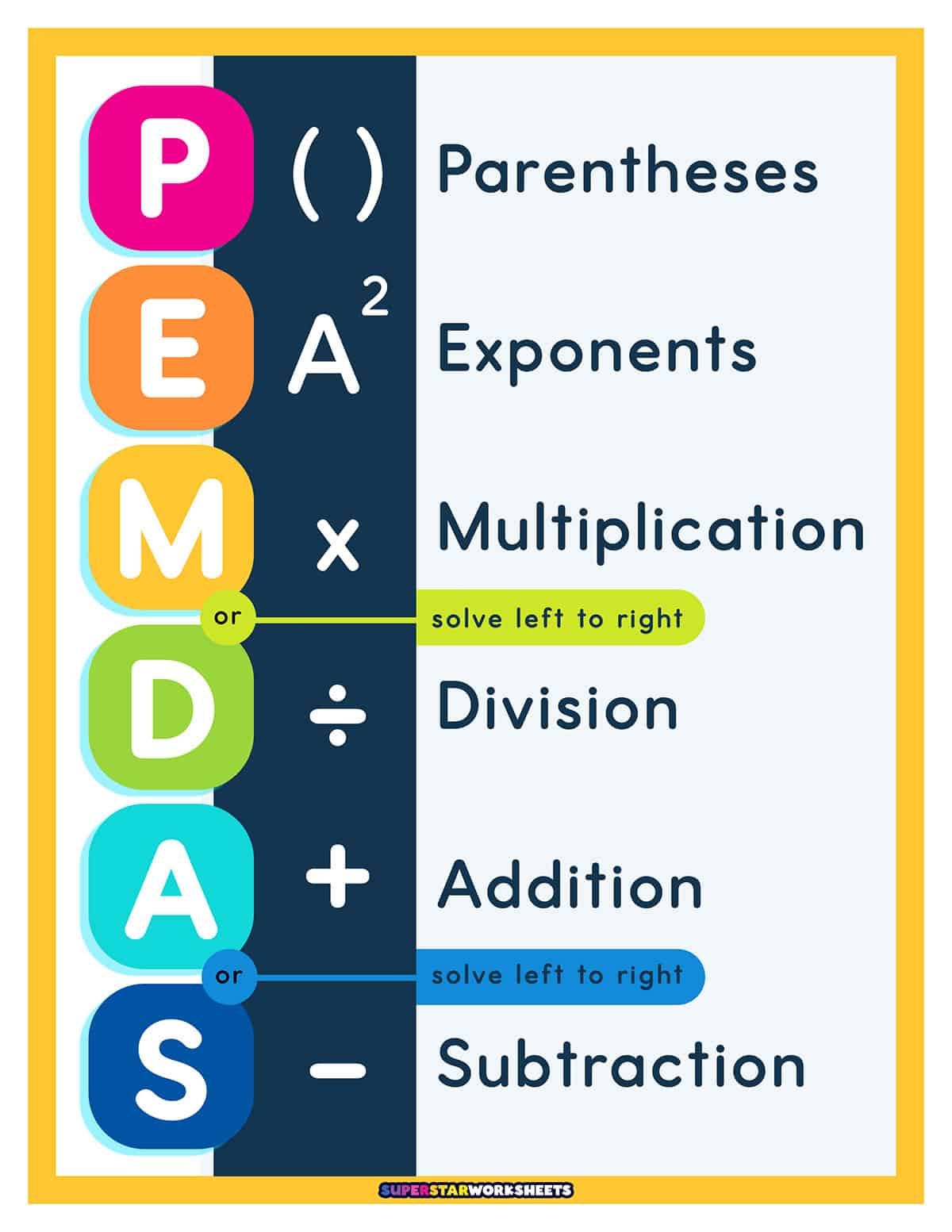
Order Of Operations Superstar Worksheets
Applying GEMDAS
Applying GEMDAS is similar to applying PEMDAS, as both acronyms represent the same sequence of operations. The main difference lies in the use of the term ‘grouping’ instead of ‘parentheses’. Grouping refers to the use of brackets, parentheses, or other symbols to enclose operations that should be evaluated together. By using GEMDAS, students can develop a deeper understanding of how to work with equations that involve multiple operations and how to simplify complex expressions.
Practicing with Worksheets
Practicing with worksheets is an effective way to reinforce the concept of the order of operations. Worksheets that focus on PEMDAS or GEMDAS can provide students with a variety of exercises and problems to solve, helping them develop their critical thinking and problem-solving skills. These worksheets can range from simple exercises that involve basic arithmetic operations to more complex problems that require the application of algebraic concepts. By working through these worksheets, students can build their confidence and fluency in math, making it easier to tackle more challenging problems.
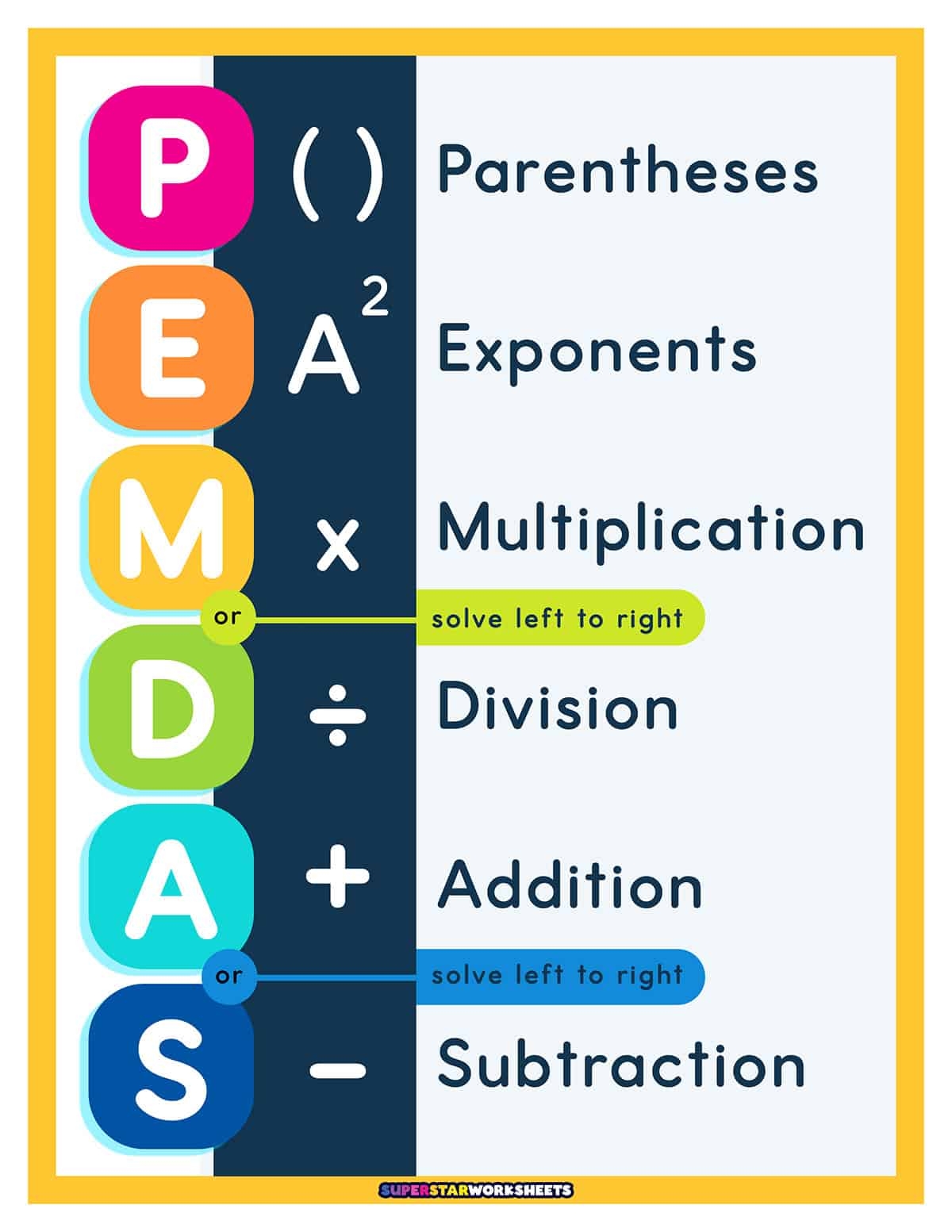
Order Of Operations Superstar Worksheets
In conclusion, mastering the order of operations is crucial for success in math. By using the PEMDAS or GEMDAS acronym, students can develop a strong foundation in math and improve their problem-solving skills. With practice and dedication, students can become proficient in applying the order of operations to simplify complex expressions and solve equations. Whether using PEMDAS or GEMDAS, the key is to follow the sequence of operations in the correct order and to practice regularly to reinforce the concept.
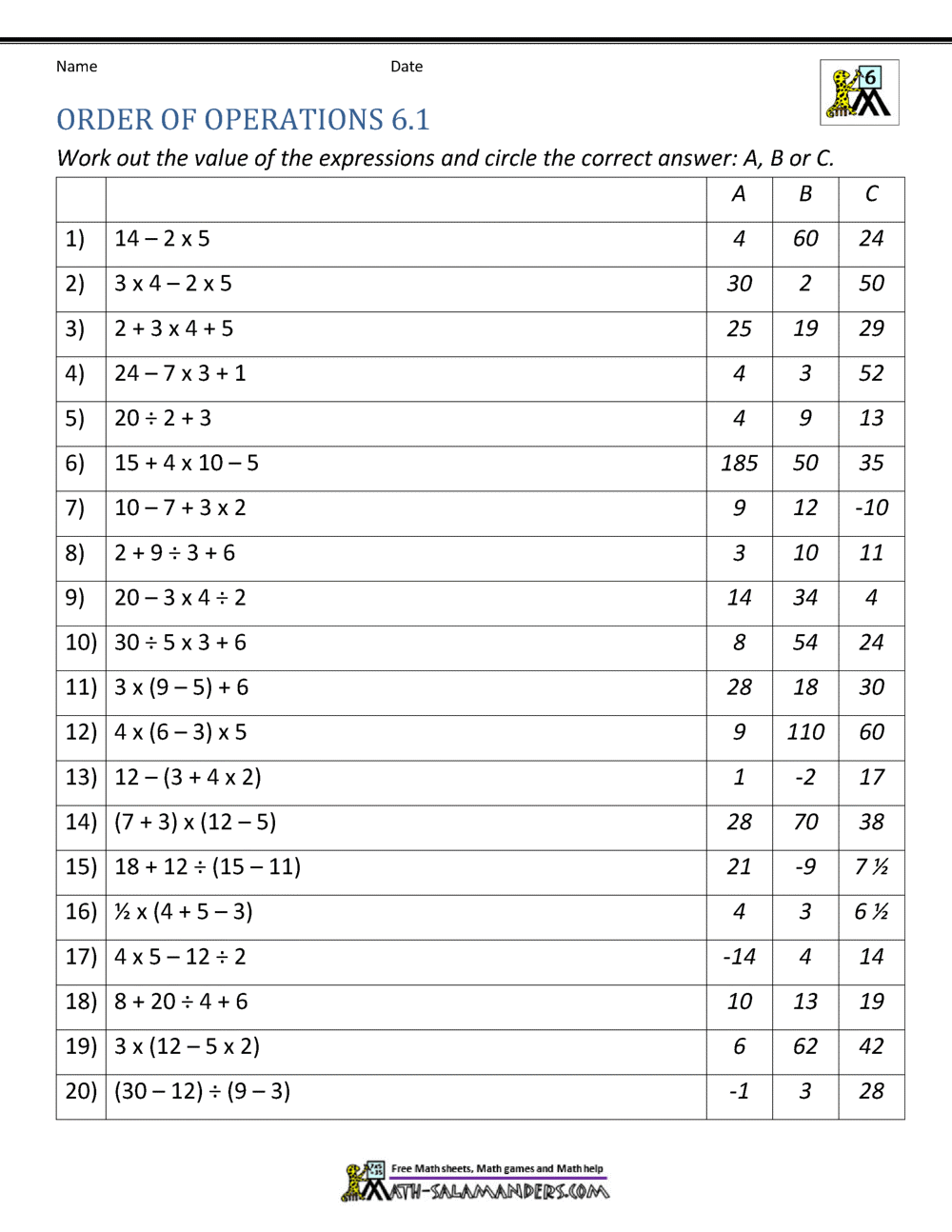
6th Grade Order Of Operations Worksheets
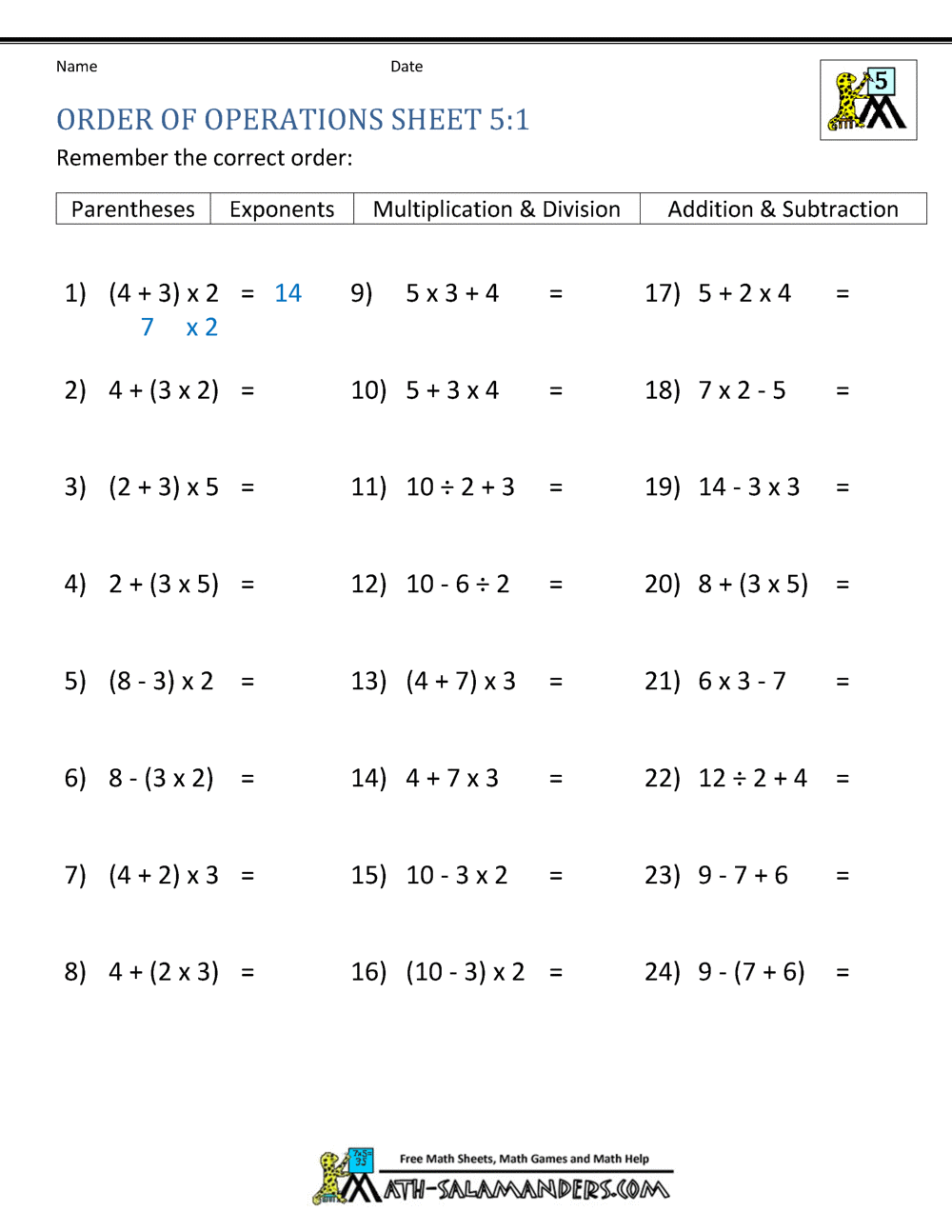
PEMDAS Problems Worksheets 5th Grade