Perspective drawing is a fundamental skill for any artist, whether you’re a beginner or a seasoned professional. It’s what gives your artwork depth and makes it look realistic. However, many people find perspective drawing intimidating, especially when they’re just starting out. The good news is that with a little practice and patience, anyone can master the basics of perspective drawing.
The key to easy perspective drawing for beginners is to start with simple exercises and gradually build up to more complex scenes. It’s also important to understand the different types of perspective, including one-point, two-point, and three-point perspective. Each type of perspective has its own unique characteristics and challenges, but they all share the same basic principles. By mastering these principles, you’ll be able to create stunning artwork that draws the viewer in and creates a sense of depth and space.
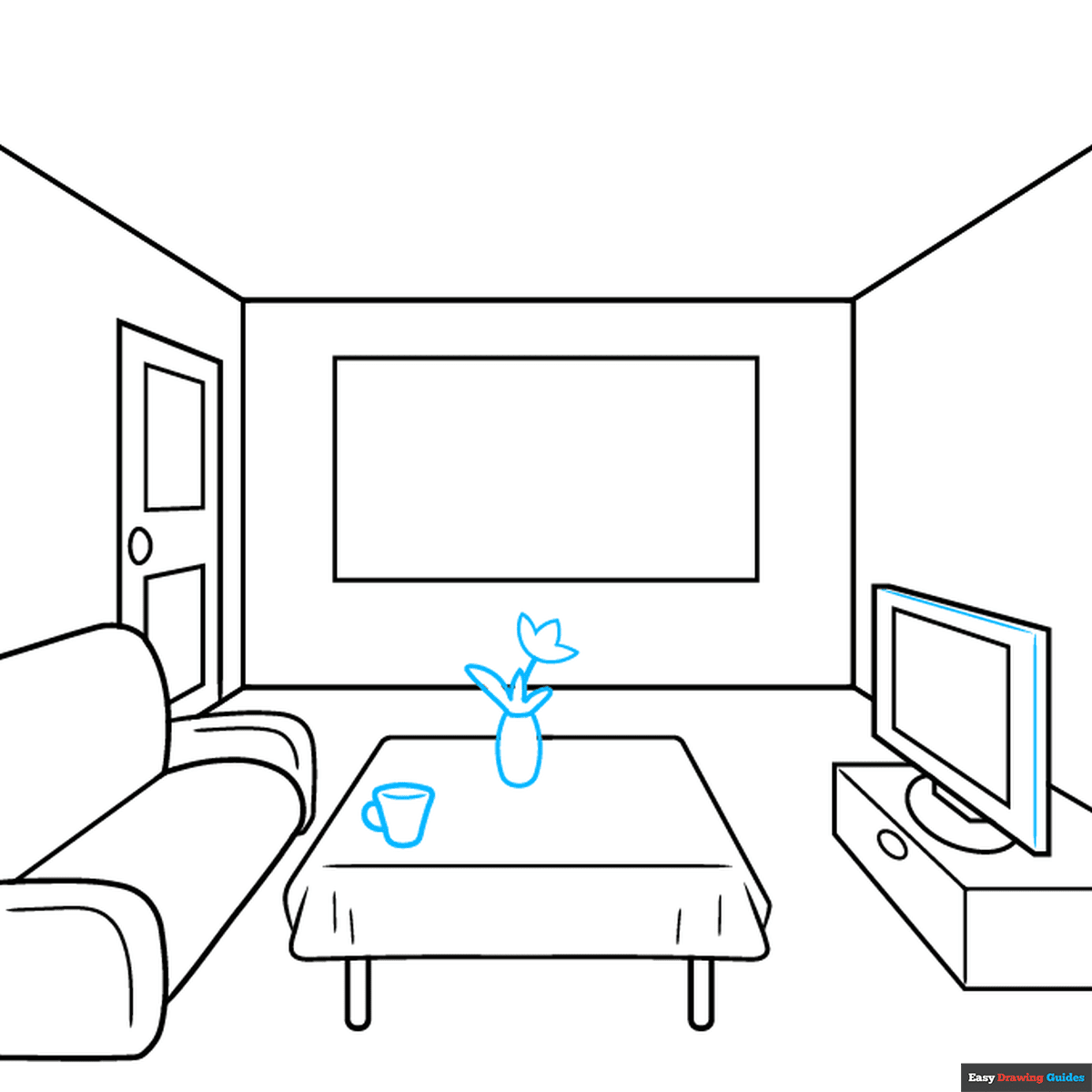
How To Draw An Easy Room In One Point Perspective Really Easy Drawing Tutorial
Understanding the Basics of Perspective
Before you can start drawing in perspective, you need to understand the basics of how it works. Perspective is all about creating the illusion of depth on a flat surface. It’s achieved by using lines that converge in the distance, creating a vanishing point. The vanishing point is the point at which the lines seem to disappear, and it’s what gives your artwork a sense of depth and distance. To create a convincing perspective, you need to understand how to use lines, shapes, and values to create a sense of depth and space.
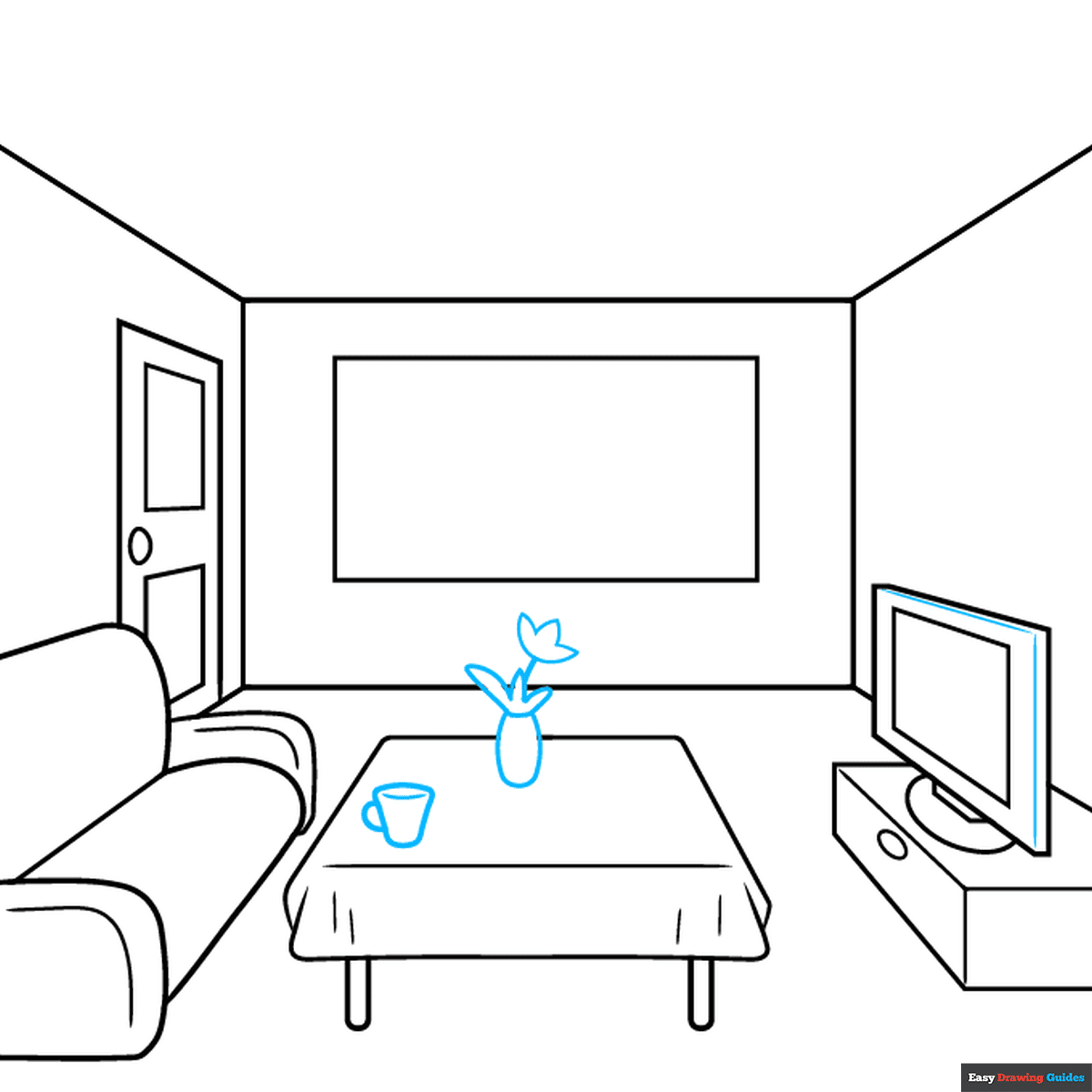
How To Draw An Easy Room In One Point Perspective Really Easy Drawing Tutorial
Choosing the Right Tools and Materials
When it comes to choosing the right tools and materials for perspective drawing, there are a few things to keep in mind. You’ll need a pencil, a eraser, and a piece of paper to start with. You may also want to invest in a drawing board, a set of perspective guides, and a ruler. The type of paper you use is also important, as it can affect the quality of your lines and the overall look of your artwork. Look for paper that is smooth and has a fine texture, as this will help you to create smooth, even lines.
Practicing Simple Perspective Exercises
Practicing simple perspective exercises is the best way to improve your skills and build your confidence. Start with simple exercises like drawing a series of lines that converge in the distance, or creating a simple one-point perspective scene. As you get more comfortable, you can move on to more complex exercises like drawing a two-point or three-point perspective scene. Remember to take your time and be patient, as perspective drawing takes practice to master. With consistent practice, you’ll be creating stunning artwork in no time.
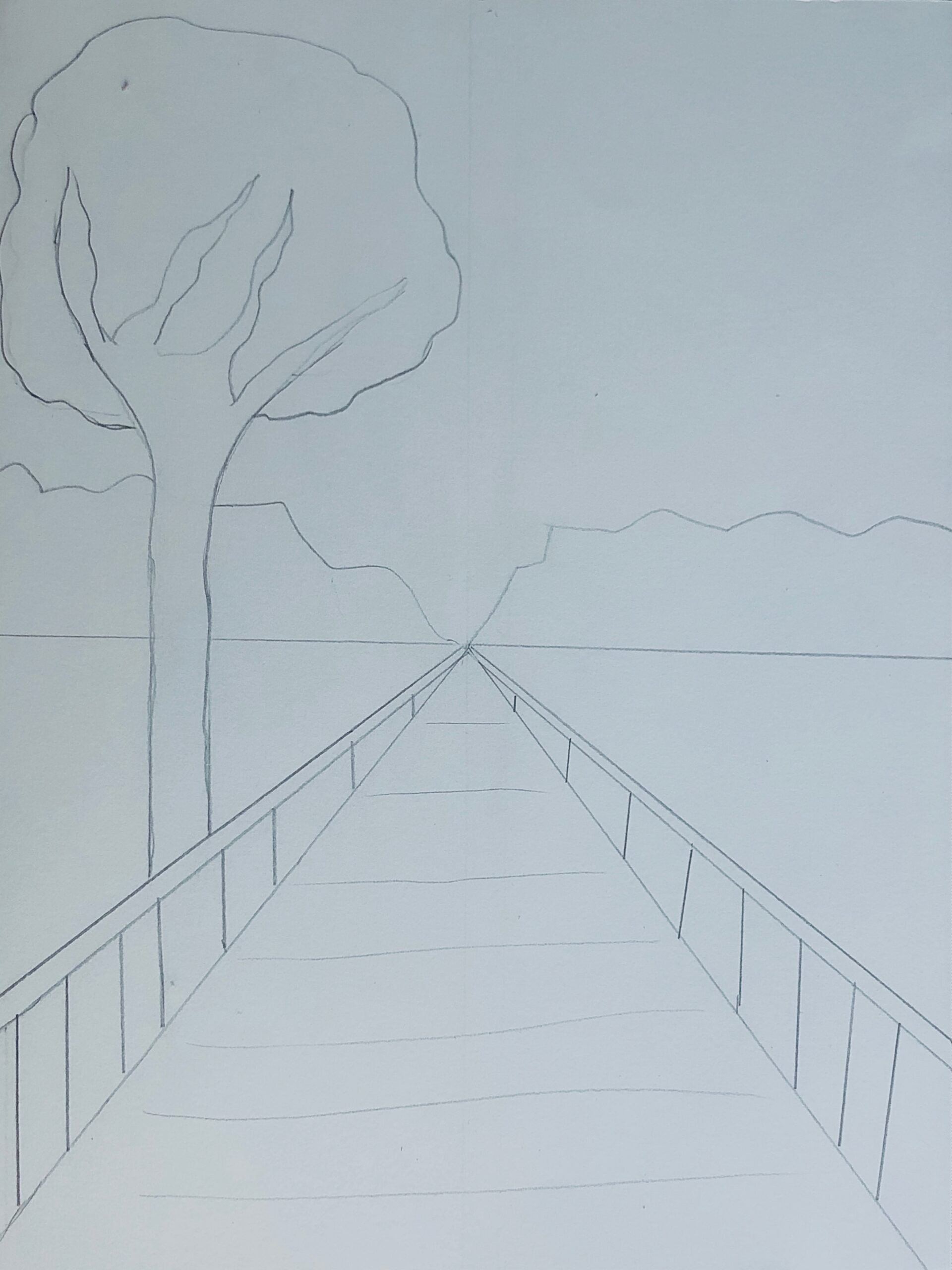
1 Point Perspective Drawing
As you continue to practice and improve your perspective drawing skills, you’ll start to notice a significant improvement in the quality of your artwork. Your lines will be smoother, your shapes will be more accurate, and your overall composition will be more balanced. Don’t be afraid to experiment and try new things – perspective drawing is all about creating a sense of depth and space, and there are many different ways to achieve this. With persistence and dedication, you’ll be well on your way to becoming a skilled perspective artist.
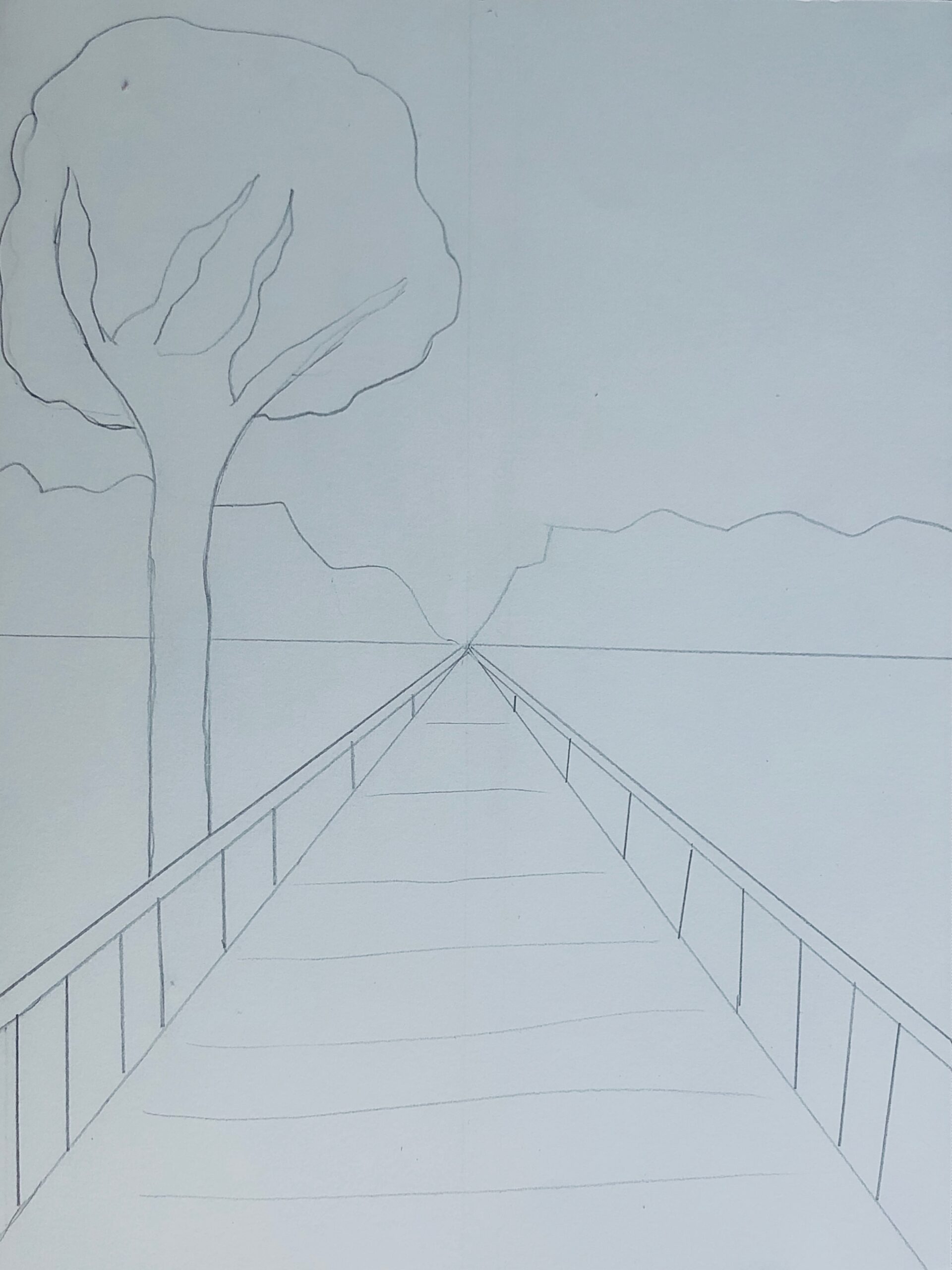
1 Point Perspective Drawing
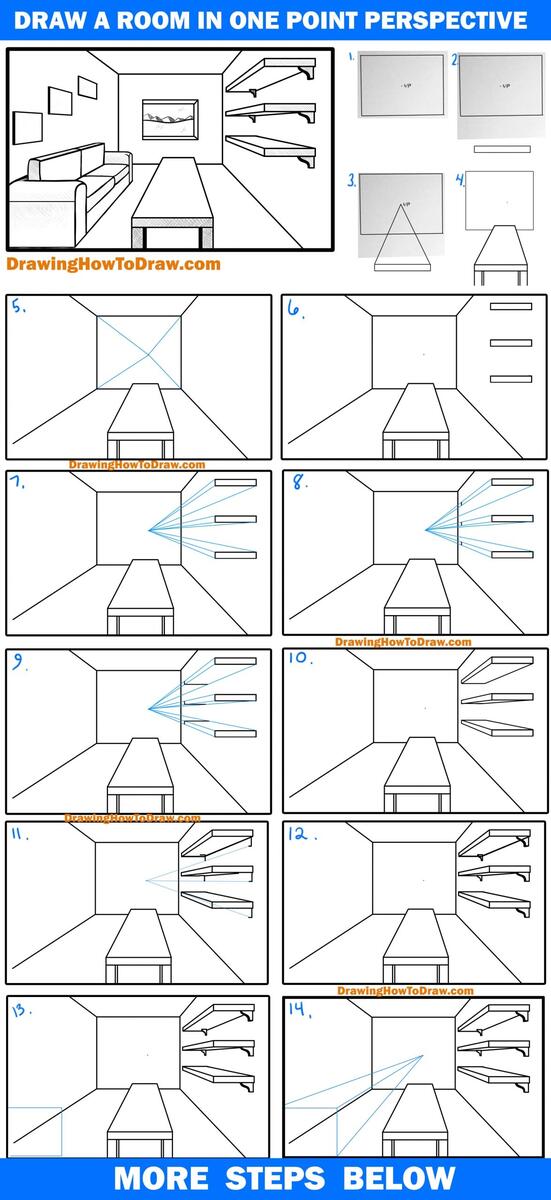
How To Draw A Room In 1 Point Perspective Easy Step By Step Drawing Tutorial How To Draw Step By Step Drawing Tutorials