The concept of colonies in America is a fundamental part of 3rd grade social studies, and it’s essential to understand the historical context and significance of these early settlements. The 13 original colonies were the foundation of the United States, and their development shaped the country’s future. As students delve into this topic, they’ll learn about the brave men and women who left their homes to establish new lives in the New World.
As 3rd graders explore the history of colonies in America, they’ll encounter a range of fascinating stories, from the Pilgrims’ arrival at Plymouth Rock to the growth of bustling cities like New York and Philadelphia. They’ll learn about the different types of colonies, including those established for economic, religious, and political reasons. By examining the experiences of the colonists, students will gain a deeper understanding of the challenges and opportunities faced by these early settlers.
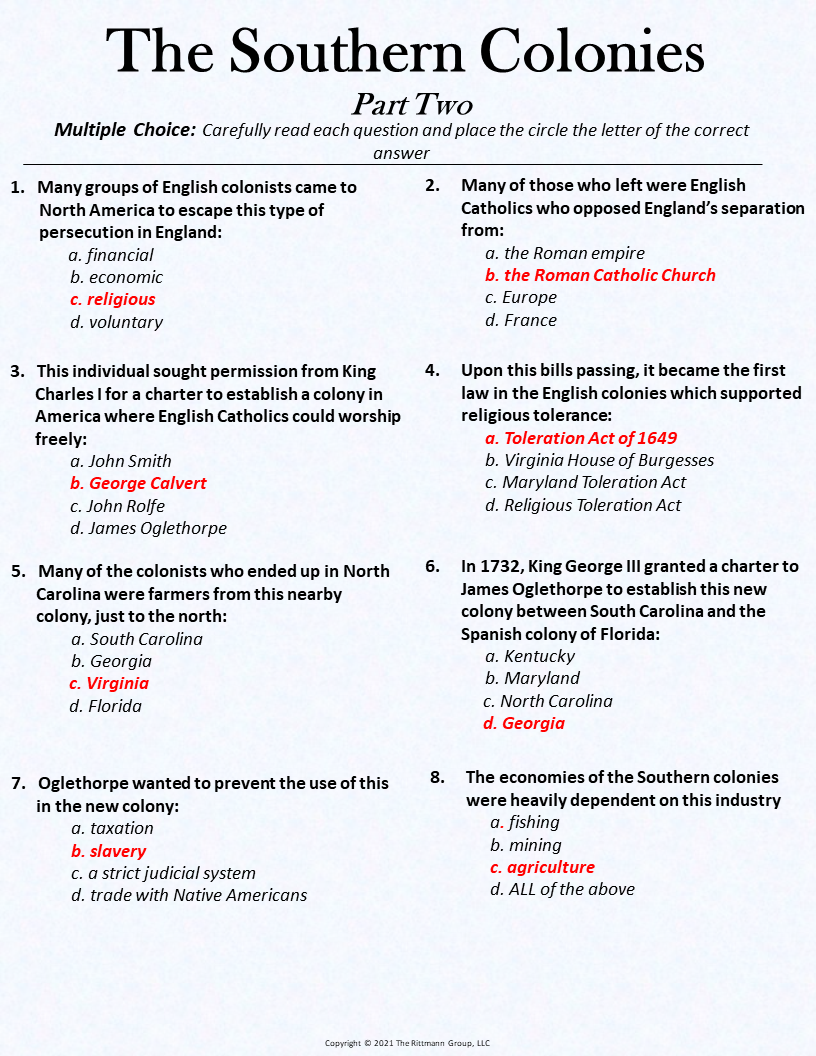
Teaching Colonial America Worksheets Resources
What Were the 13 Original Colonies?
The 13 original colonies were a diverse group of settlements, each with its unique character and purpose. They included Virginia, Massachusetts, New Hampshire, Maryland, Connecticut, Rhode Island, Delaware, North Carolina, South Carolina, New York, New Jersey, Pennsylvania, and Georgia. Students will learn about the distinct features of each colony, such as their economies, governments, and relationships with Native American tribes. By studying the original 13 colonies, 3rd graders will develop a solid foundation for understanding the complexities of American history.
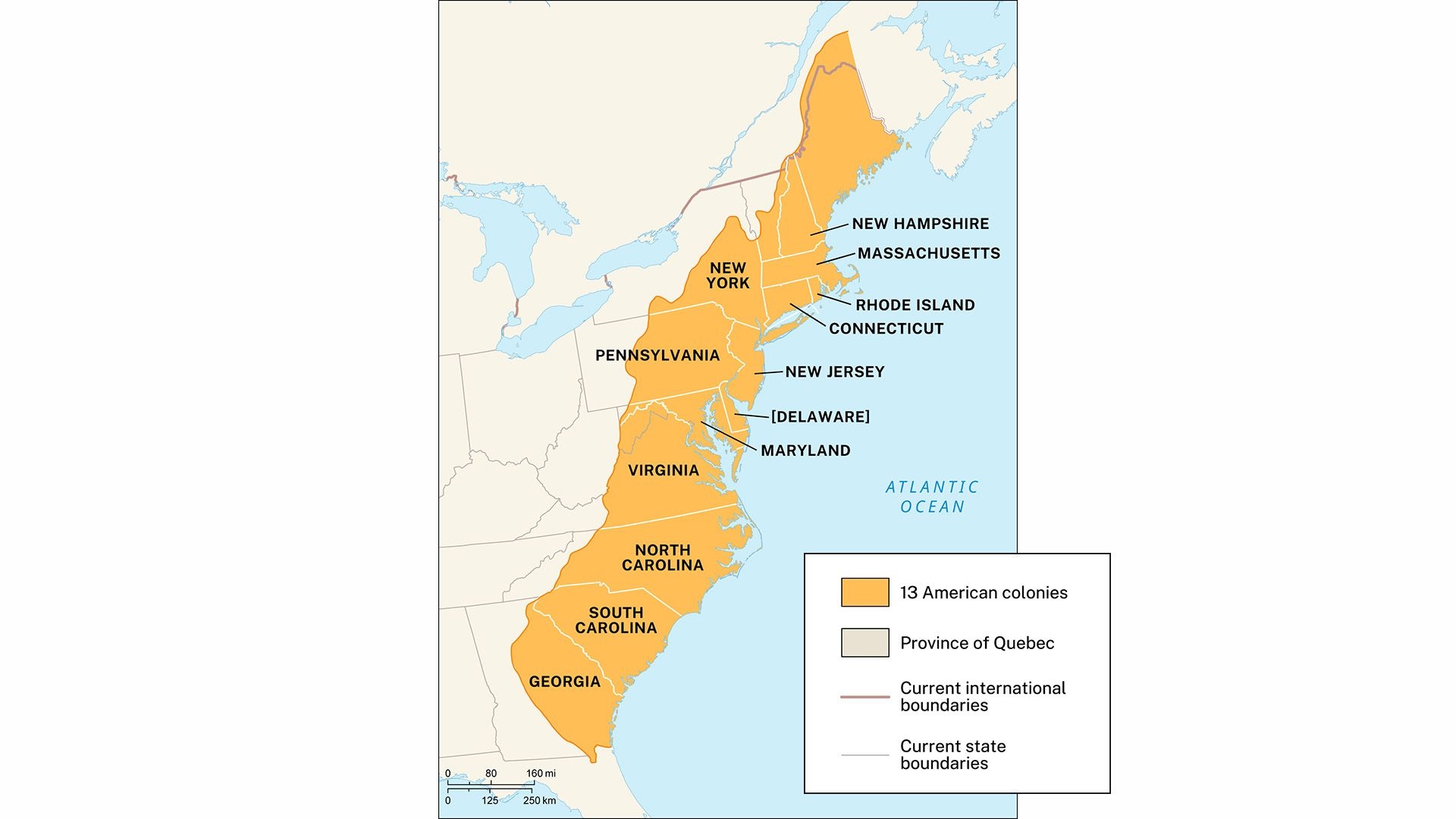
13 Colonies Kids Britannica Kids Homework Help
Why Were the Colonies Established?
The establishment of the colonies was a complex process, driven by various motivations and factors. Some colonies, like Massachusetts, were founded for religious reasons, while others, like Virginia, were established for economic gain. The British government also played a significant role in the colonization process, as it sought to expand its empire and spread its influence across the globe. As students explore the reasons behind the establishment of the colonies, they’ll gain insight into the political, economic, and social forces that shaped the New World.
How Did the Colonies Develop and Grow?
As the colonies developed and grew, they faced numerous challenges and opportunities. Students will learn about the importance of trade, agriculture, and industry in the colonies, as well as the impact of slavery, immigration, and conflict with Native American tribes. They’ll also discover how the colonies began to develop their own systems of government, economy, and culture, laying the groundwork for the United States’ future growth and development. By examining the development of the colonies, 3rd graders will develop a nuanced understanding of the complexities of American history and the factors that shaped the country’s evolution.
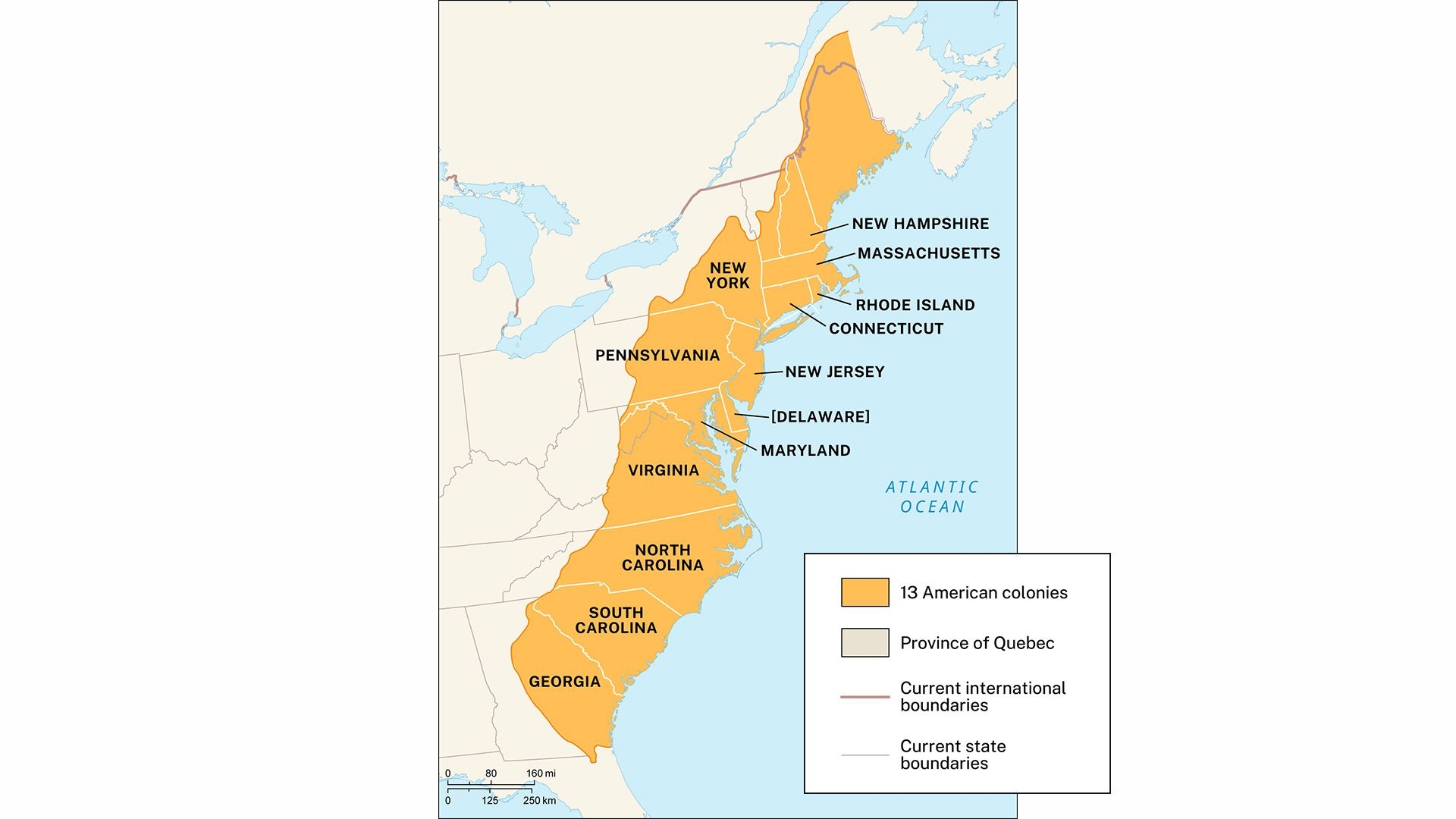
13 Colonies Kids Britannica Kids Homework Help
By exploring the history of colonies in America, 3rd grade students will develop essential skills in critical thinking, problem-solving, and historical analysis. They’ll learn to evaluate evidence, interpret primary sources, and develop well-supported arguments. As they engage with interactive lessons, activities, and projects, students will become more confident in their ability to understand and explain complex historical concepts. With a solid foundation in 3rd grade social studies, students will be well-prepared to tackle more advanced topics in American history and develop a lifelong appreciation for the subject.
Colonization For Kids North American Edition Book Early Settlers Migration And Colonial Life 3rd Grade Social Studies Walmart
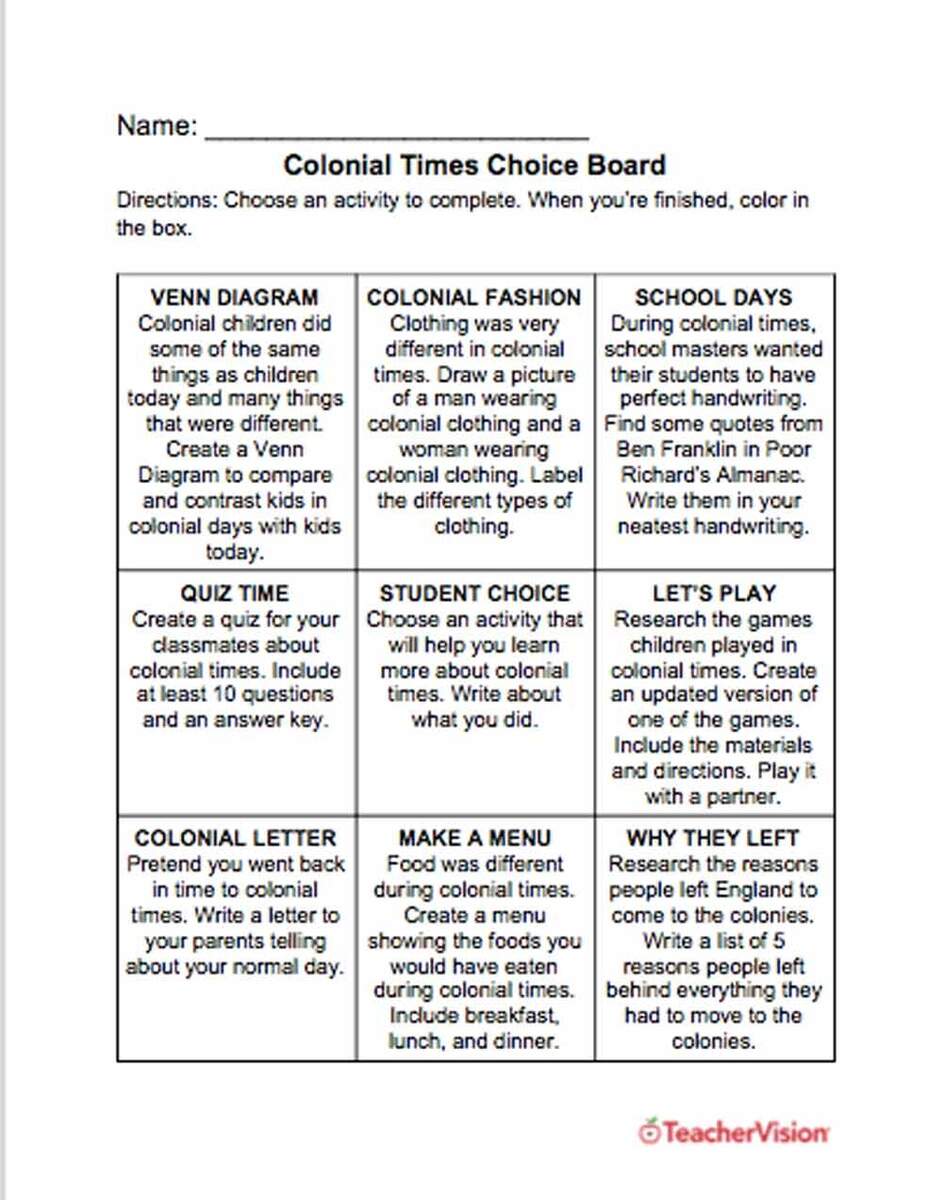
3rd Grade Colonial America