The first few years of a child’s life are crucial for their development, and monitoring their growth is essential for ensuring they are healthy and thriving. One tool that pediatricians use to track a child’s growth is a growth chart, which provides a visual representation of a child’s height, weight, and head circumference over time. For parents, understanding how to read and interpret a growth chart can be invaluable in identifying any potential issues early on.
Growth charts are particularly useful for boys, as they can help identify any deviations from the average growth pattern. By plotting a child’s measurements on a growth chart, parents and healthcare providers can see whether they are growing at a healthy rate. This information can be used to identify any potential issues, such as growth hormone deficiencies or other medical conditions, and to develop strategies for addressing them.
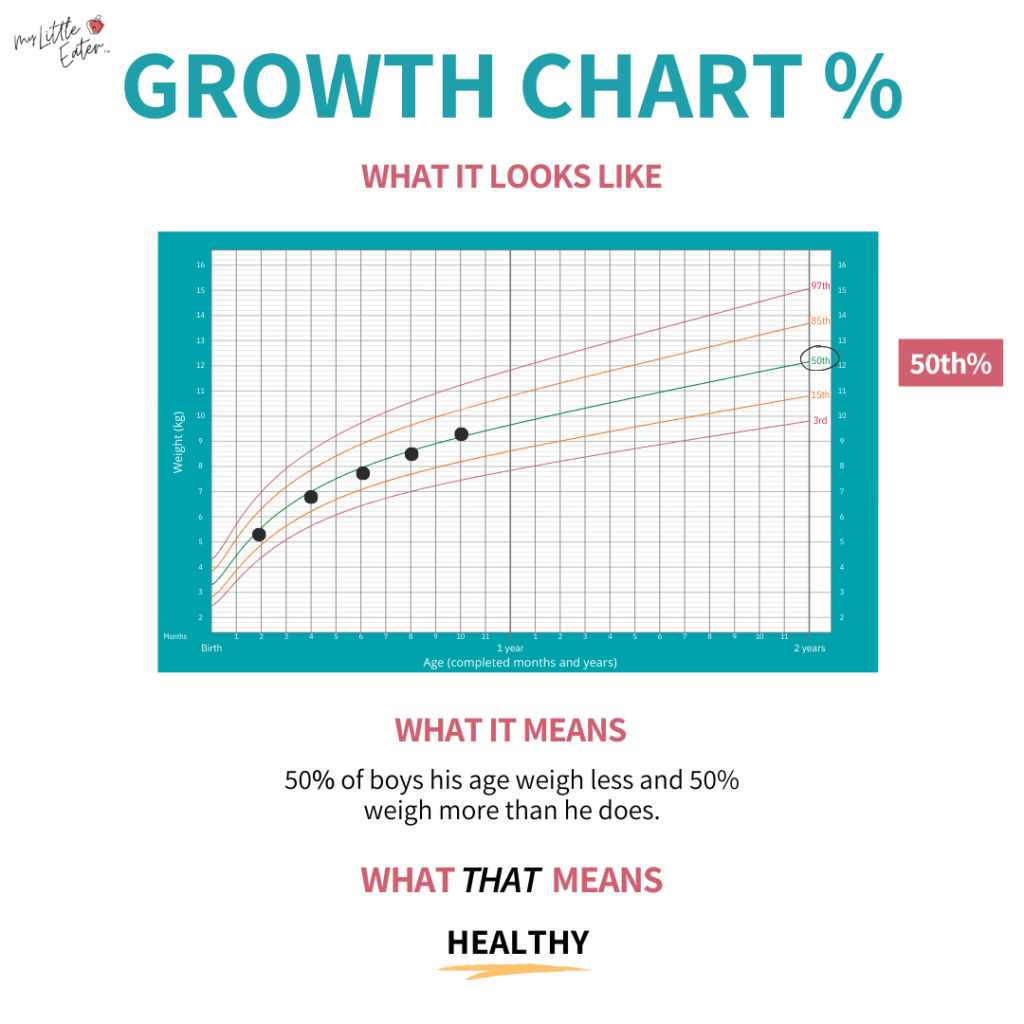
Complete Guide For Understanding Baby Growth Charts In The First Year
What is a Growth Chart and Why is it Important?
A growth chart is a graphical representation of a child’s measurements, typically including their height, weight, and head circumference. It is usually plotted on a chart with a series of curves, each representing a different percentile. By plotting a child’s measurements on the chart, parents and healthcare providers can see whether they are growing at a healthy rate and identify any potential issues early on. Understanding what a growth chart is and why it is important can help parents make informed decisions about their child’s health and development.
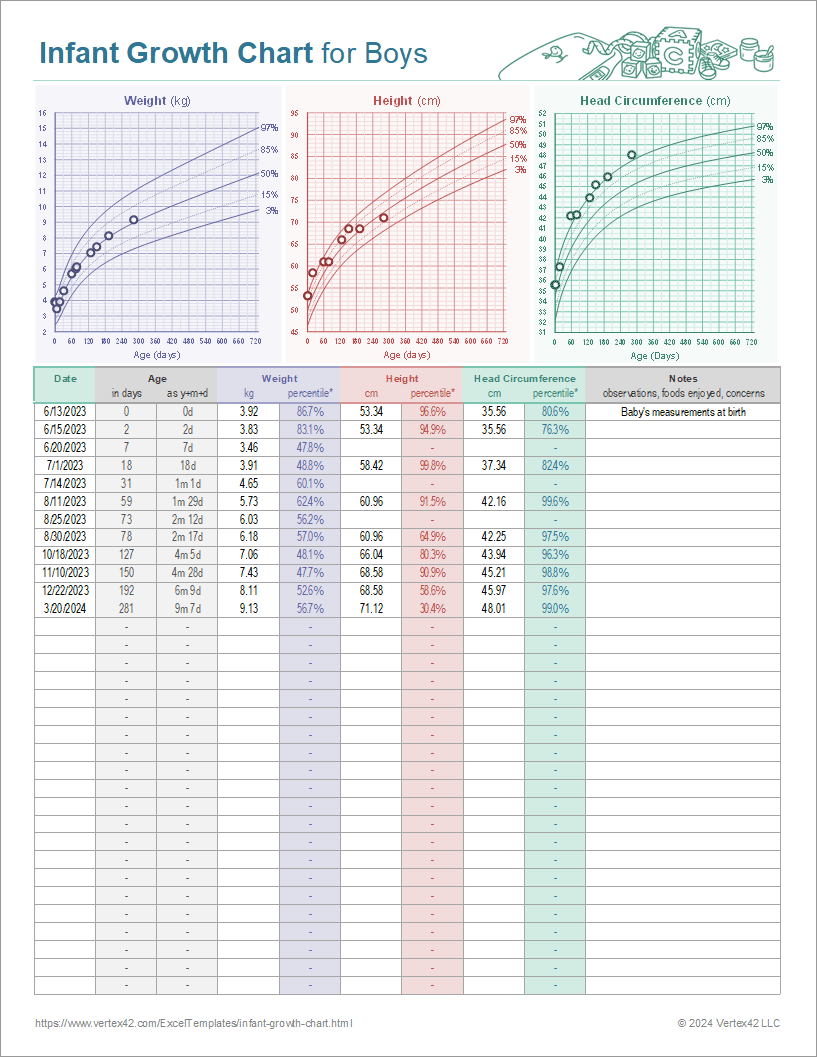
Infant Growth Chart For Boys And Girls
How to Read and Understand a Growth Chart for Boys
Reading and understanding a growth chart for boys can seem intimidating at first, but it is actually quite straightforward. The chart is typically divided into different sections, each representing a different age range. By plotting a child’s measurements on the chart, parents and healthcare providers can see whether they are growing at a healthy rate. The chart will also show the average height and weight for boys at different ages, allowing parents to compare their child’s growth to the average. This information can be used to identify any potential issues and to develop strategies for addressing them.
Key Milestones in a Boy’s Growth Chart from Birth to Toddlerhood
From birth to toddlerhood, there are several key milestones that parents should look out for in their boy’s growth chart. During the first year, babies typically grow at a rapid rate, with their height and weight increasing significantly. As they get older, their growth rate slows down, but they should still be growing steadily. By monitoring their growth chart, parents can identify any potential issues, such as growth hormone deficiencies or other medical conditions, and seek medical attention if necessary. Additionally, growth charts can help parents identify any developmental delays or other issues that may need to be addressed.
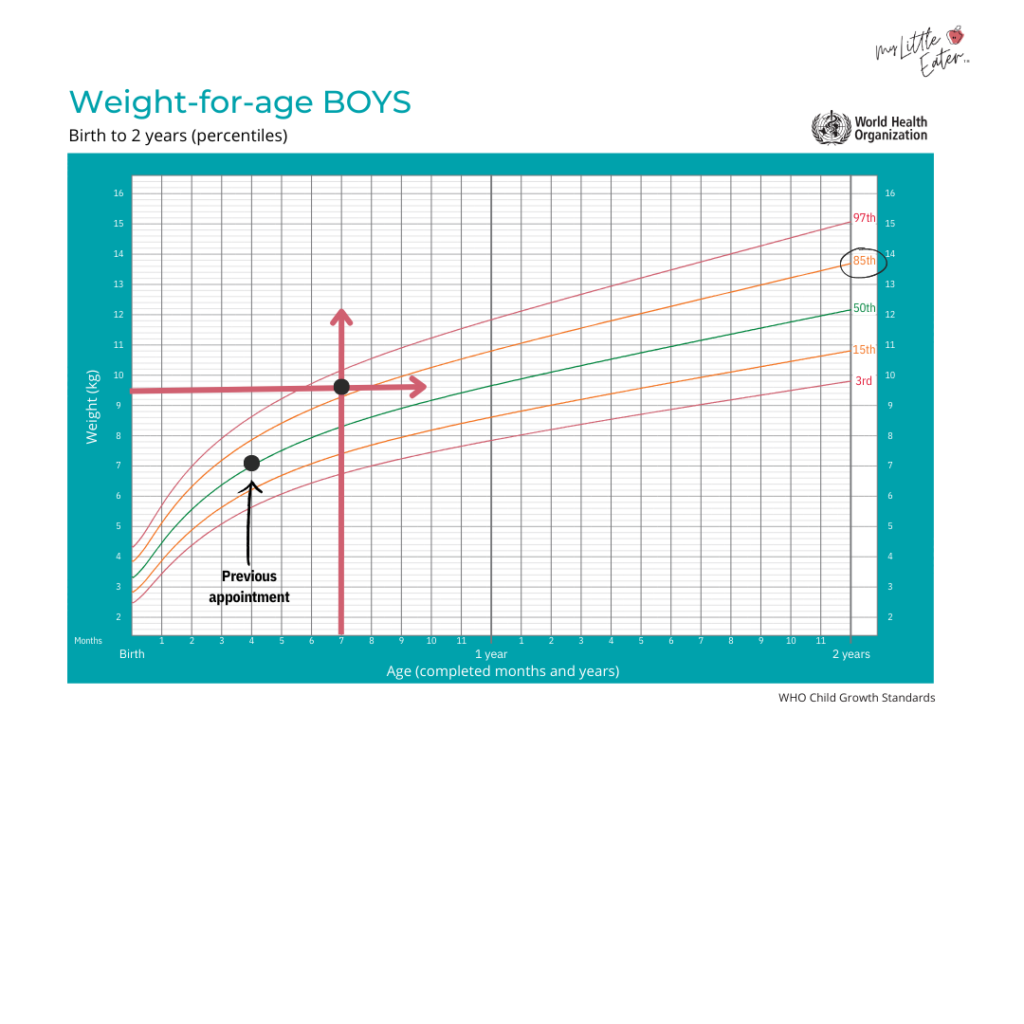
Complete Guide For Understanding Baby Growth Charts In The First Year
By understanding how to read and interpret a growth chart, parents can play an active role in monitoring their boy’s health and development. This can help identify any potential issues early on, allowing for prompt medical attention and intervention. Furthermore, growth charts can provide parents with a sense of reassurance, knowing that their child is growing and developing at a healthy rate. Whether you are a new parent or an experienced one, understanding growth charts can be a valuable tool in ensuring your child’s health and well-being.
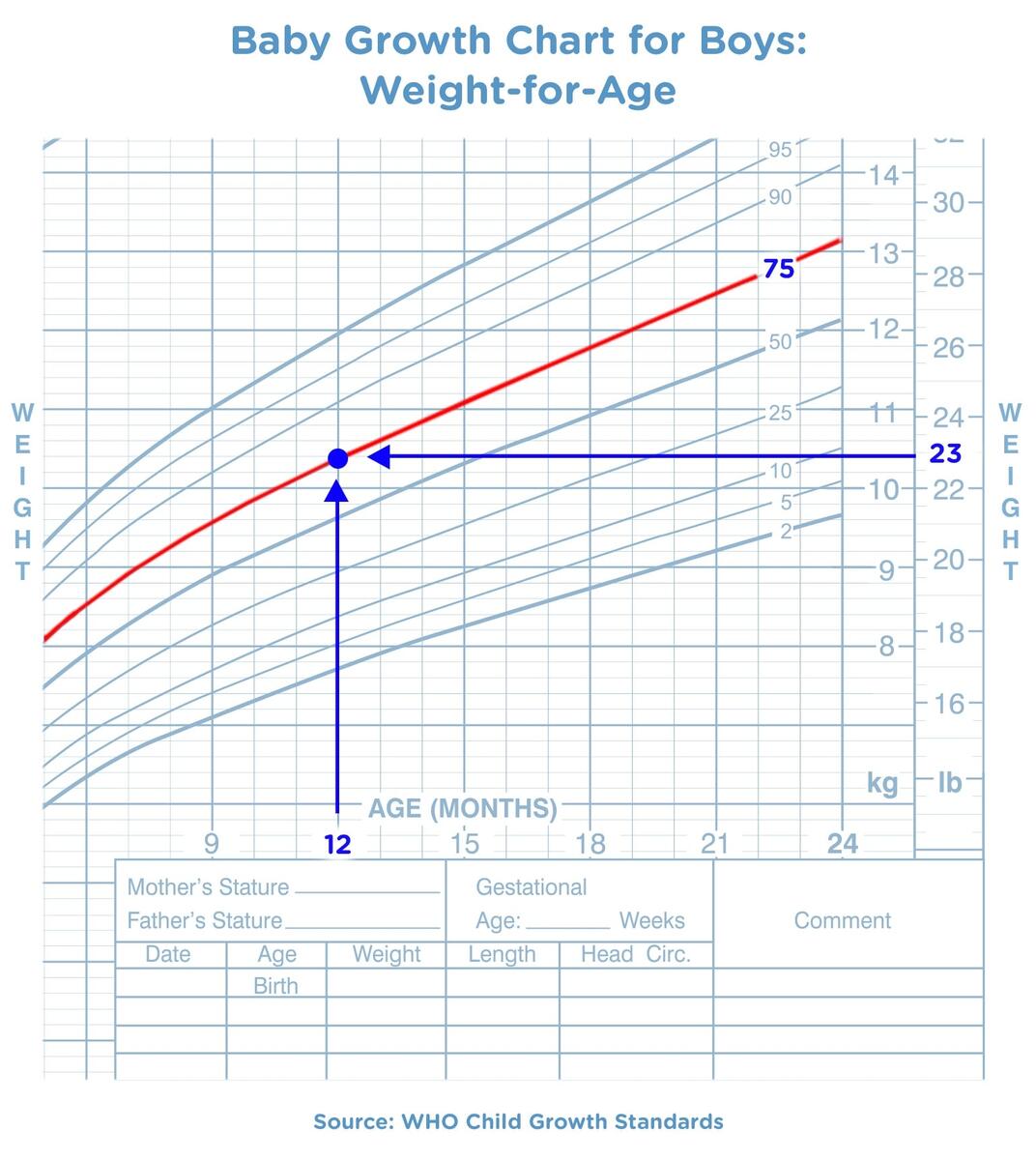
Baby Growth Chart Track Their Milestones Pampers UK
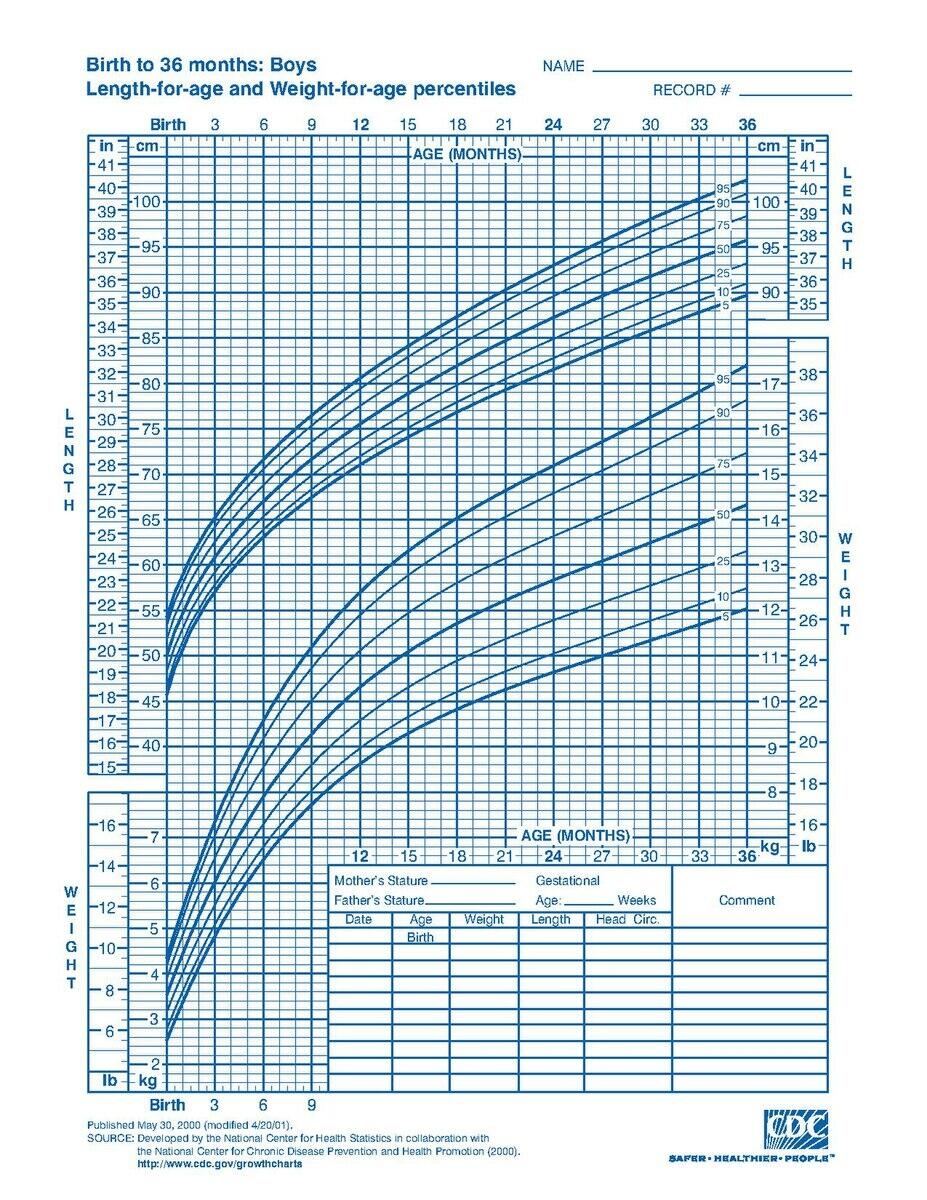
File CDC Growth Chart Boys Birth To 36 Mths Cj41c017 Pdf Wikimedia Commons