Cursive writing is an art form that has been around for centuries, and it’s still widely used today in many different contexts. From signing important documents to writing love letters, cursive writing adds a touch of elegance and sophistication to any piece of writing. However, many people struggle with writing nice cursive letters, either because they were never taught properly or because they haven’t practiced in a while.
The good news is that writing nice cursive letters is a skill that can be learned and improved with practice and patience. It requires a combination of proper technique, the right tools, and consistent practice. In this guide, we’ll take you through the steps to master the art of cursive writing, from understanding the basics to practicing cursive letters and words.
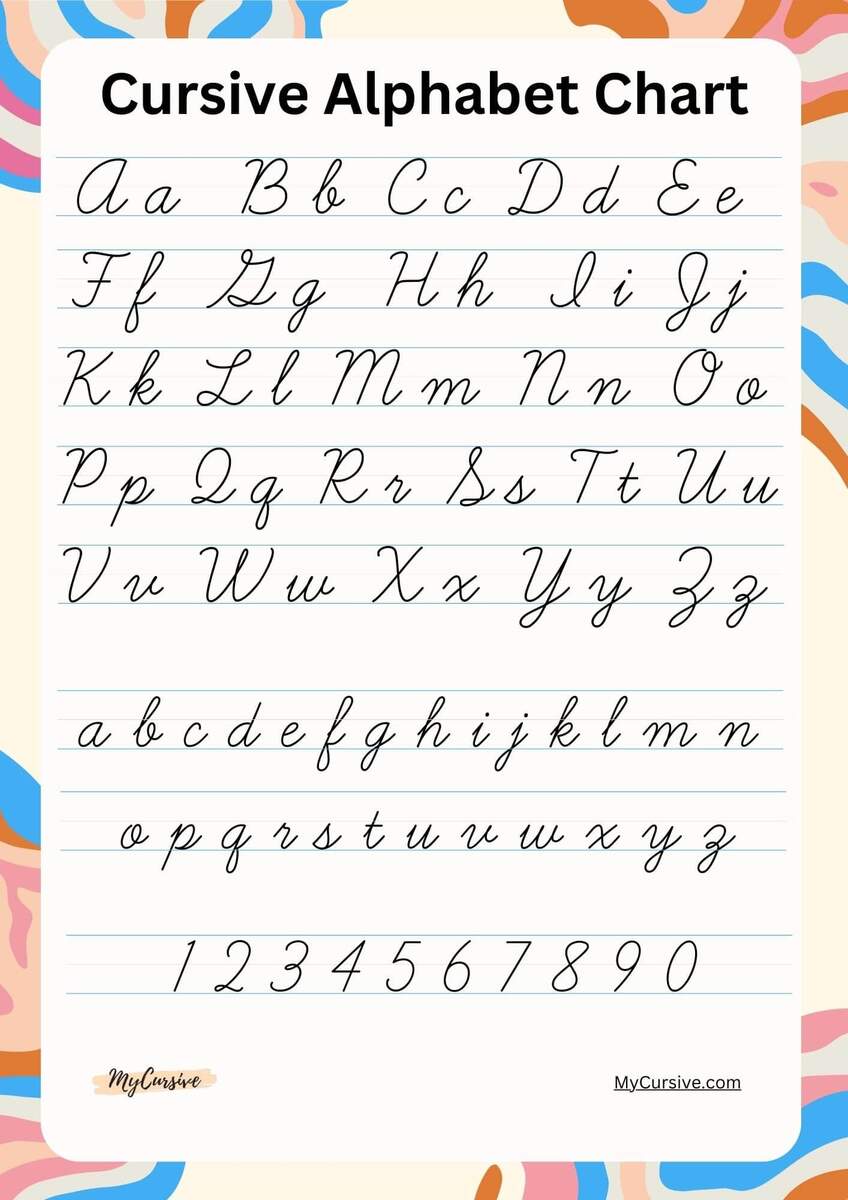
Cursive Alphabet Worksheets And Tutorials For Each Letter
Understanding the Basics of Cursive Writing
Before you start practicing cursive writing, it’s essential to understand the basics. Cursive writing involves connecting letters together in a flowing motion, with each letter blending seamlessly into the next. To write nice cursive letters, you need to pay attention to the size, shape, and spacing of your letters, as well as the flow and connection between them. Start by studying the basic cursive alphabet and practicing each letter individually to get a feel for how they’re formed.
Cursive Alphabet Worksheets And Tutorials For Each Letter
Choosing the Right Tools for Cursive Writing
Choosing the right tools is also crucial for writing nice cursive letters. You’ll need a pen or pencil that glides smoothly over the paper, allowing you to create flowing connections between letters. A fountain pen or a gel pen with a fine tip is ideal for cursive writing, as they provide a consistent line width and flow. You’ll also need high-quality paper that won’t bleed or feather, allowing your writing to look its best.
Practicing Cursive Letters and Words
Once you’ve mastered the basics and have the right tools, it’s time to start practicing cursive letters and words. Start with simple words and phrases, such as your name or common phrases like ‘hello’ or ‘thank you.’ Practice writing these words over and over, paying attention to the flow and connection between letters. As you get more comfortable, you can move on to more complex words and phrases, eventually working your way up to writing full sentences and paragraphs in cursive.
Cursive Alphabet Worksheets And Tutorials For Each Letter
Cursive Alphabet Worksheets And Tutorials For Each Letter
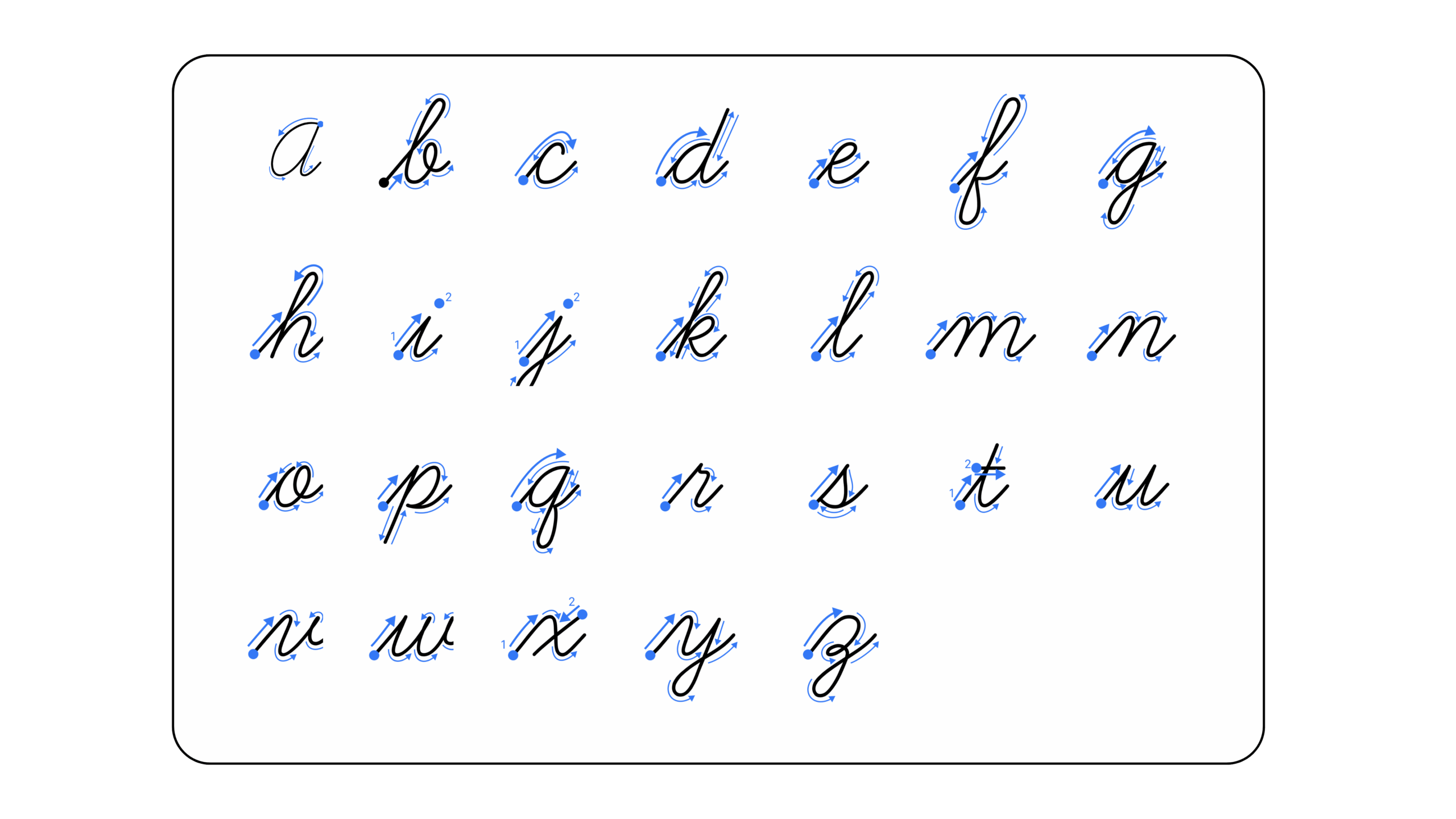
How To Write Cursive Alphabet A To Z Writey